

The Architecture of Fine Art Photography
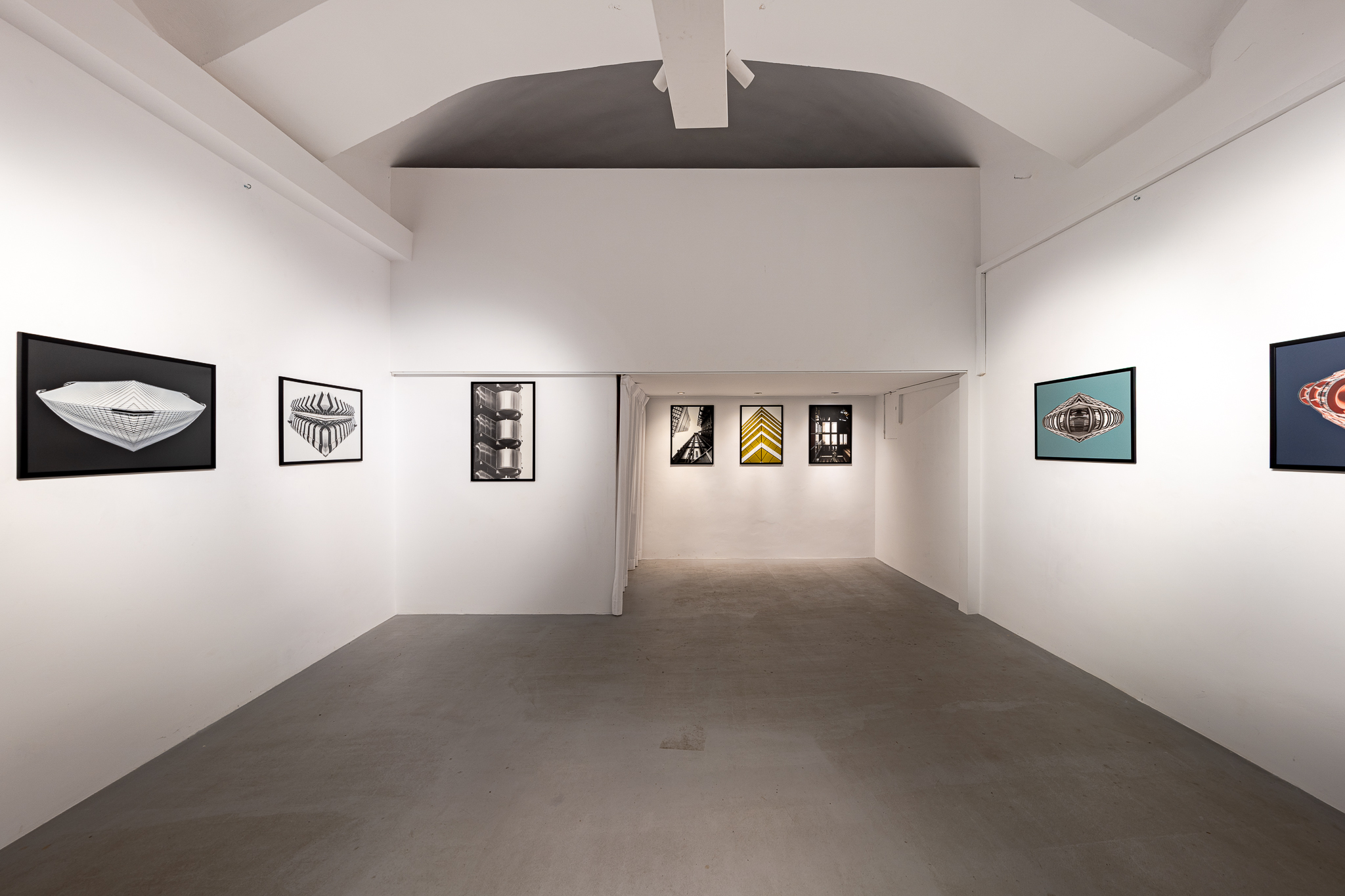
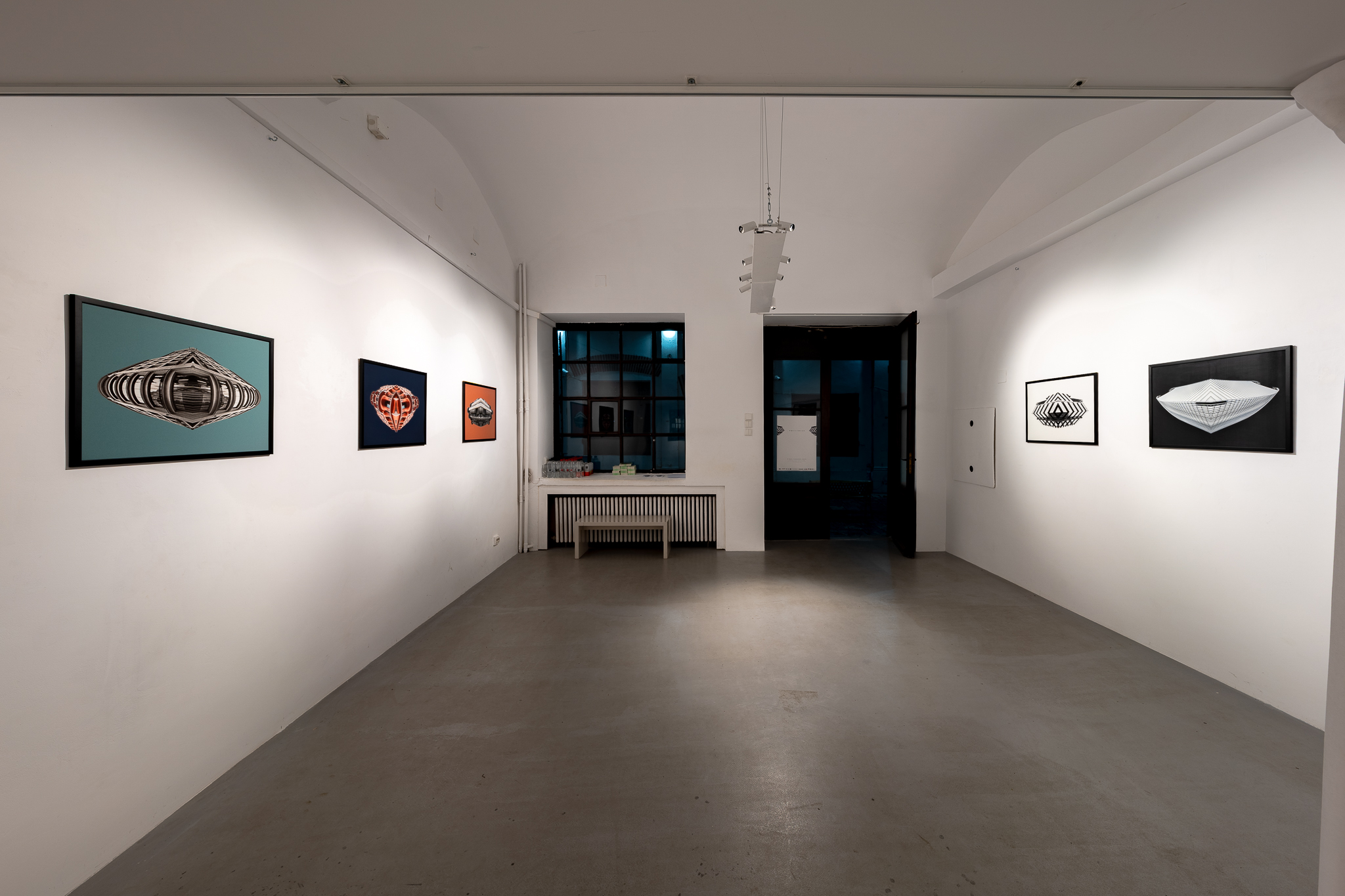
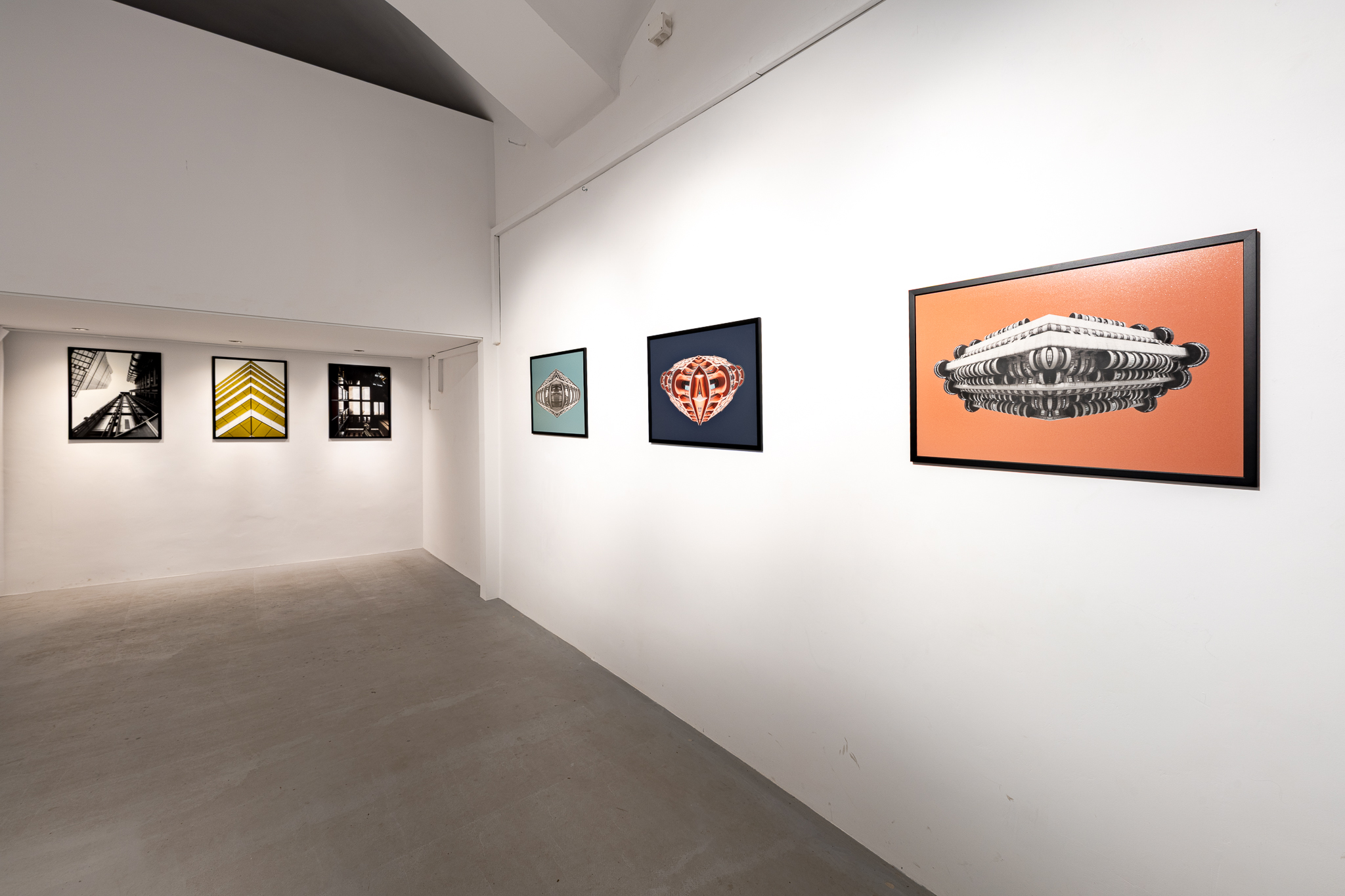
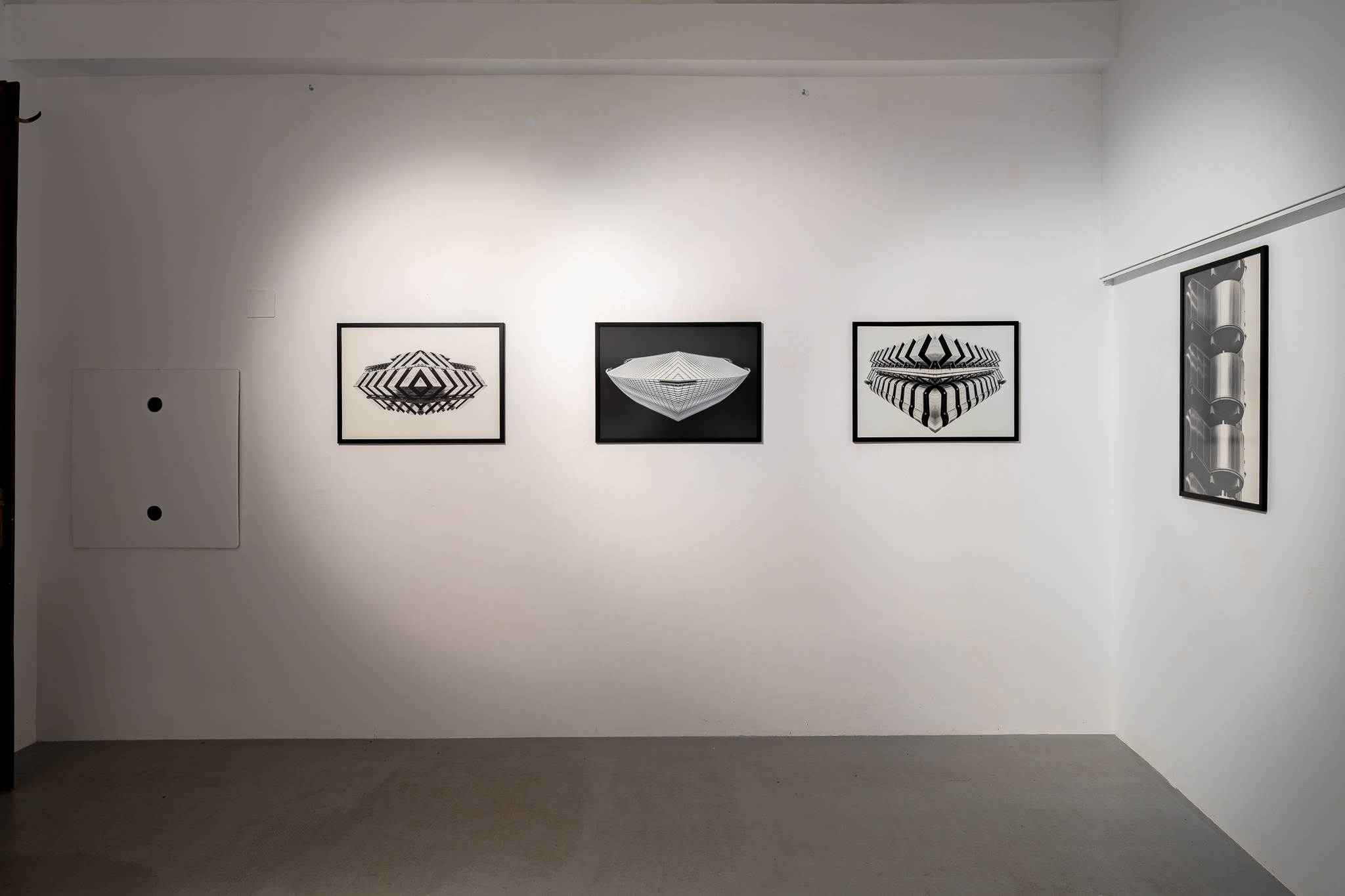
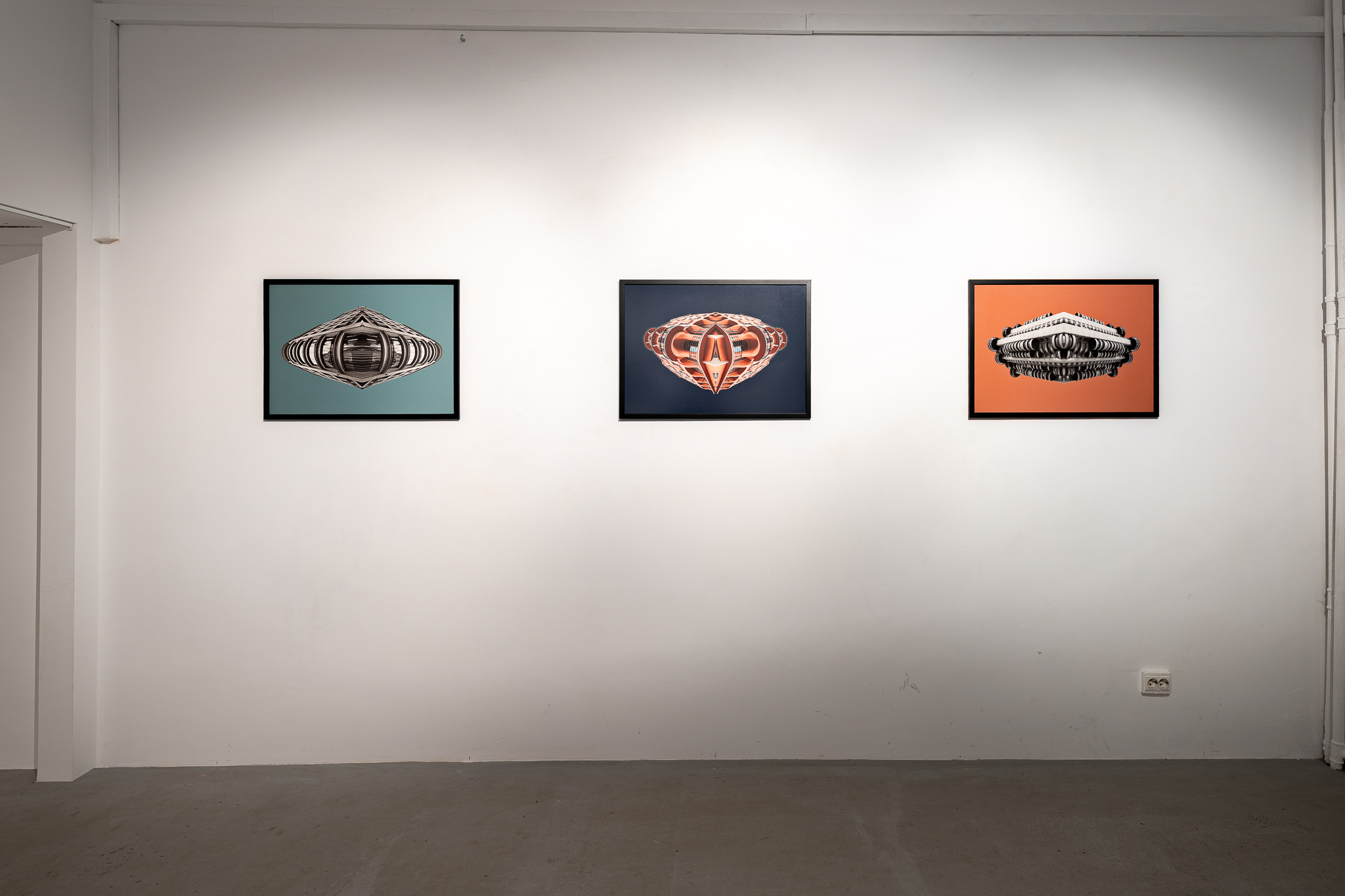
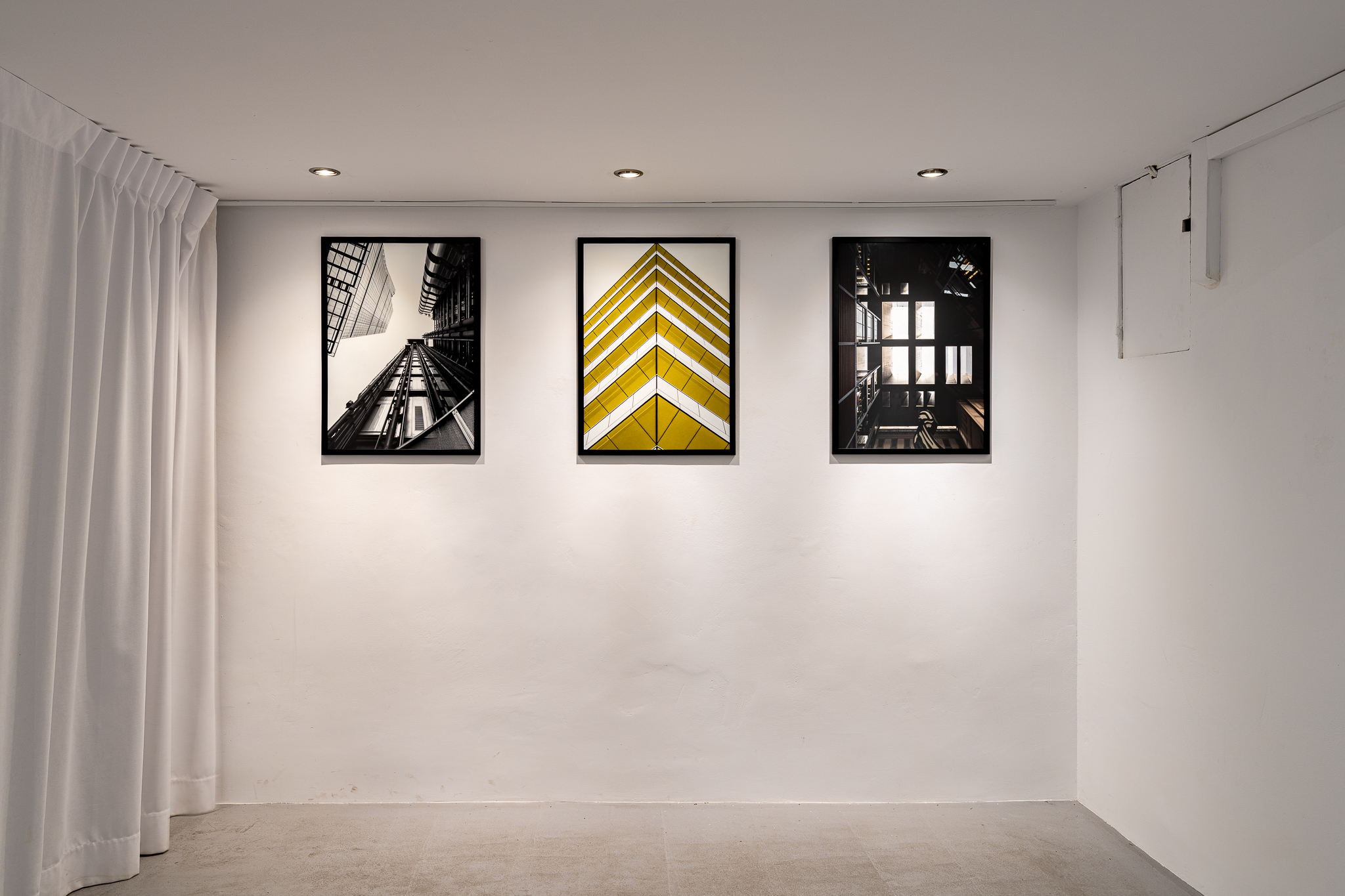
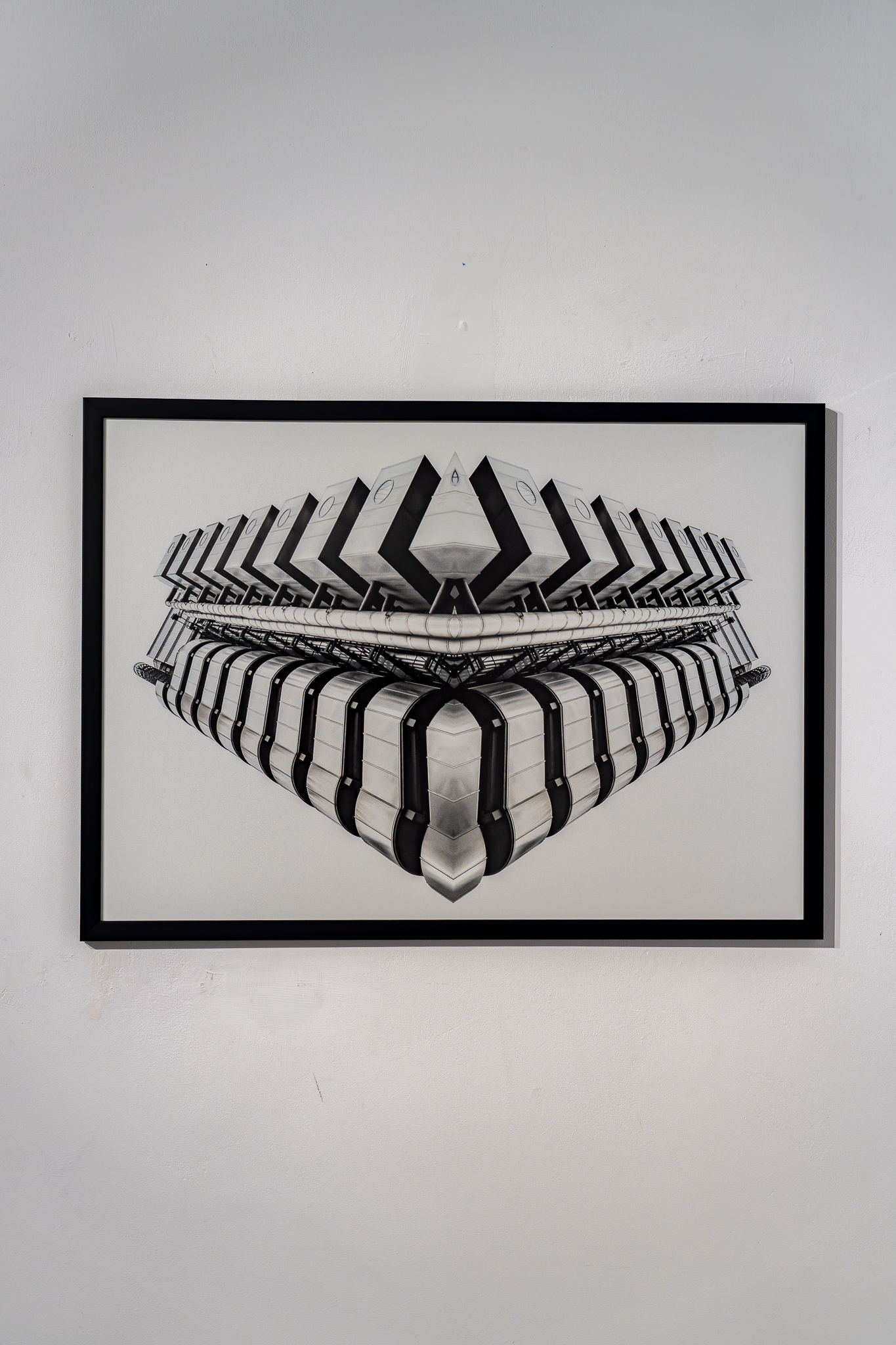
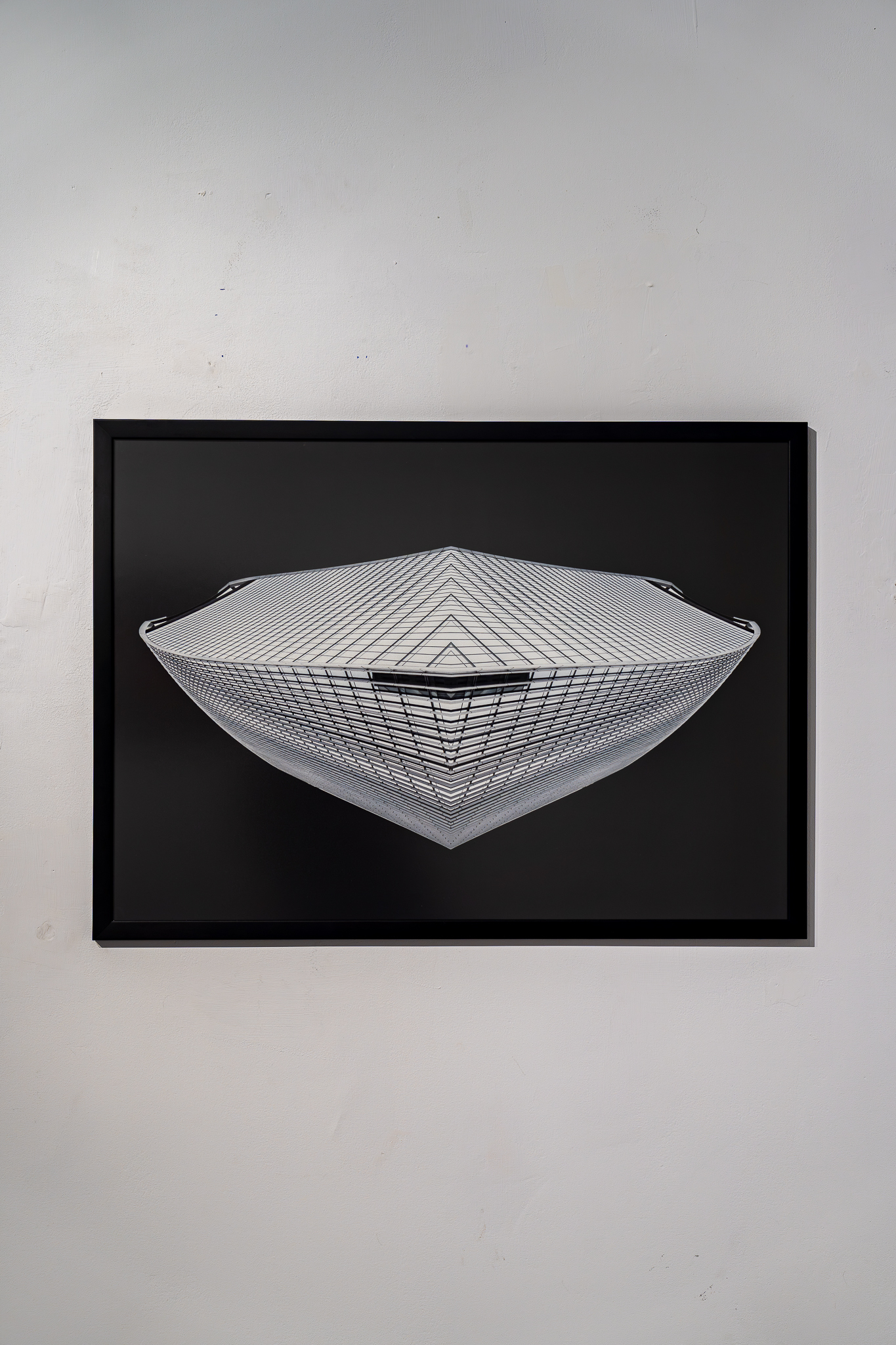
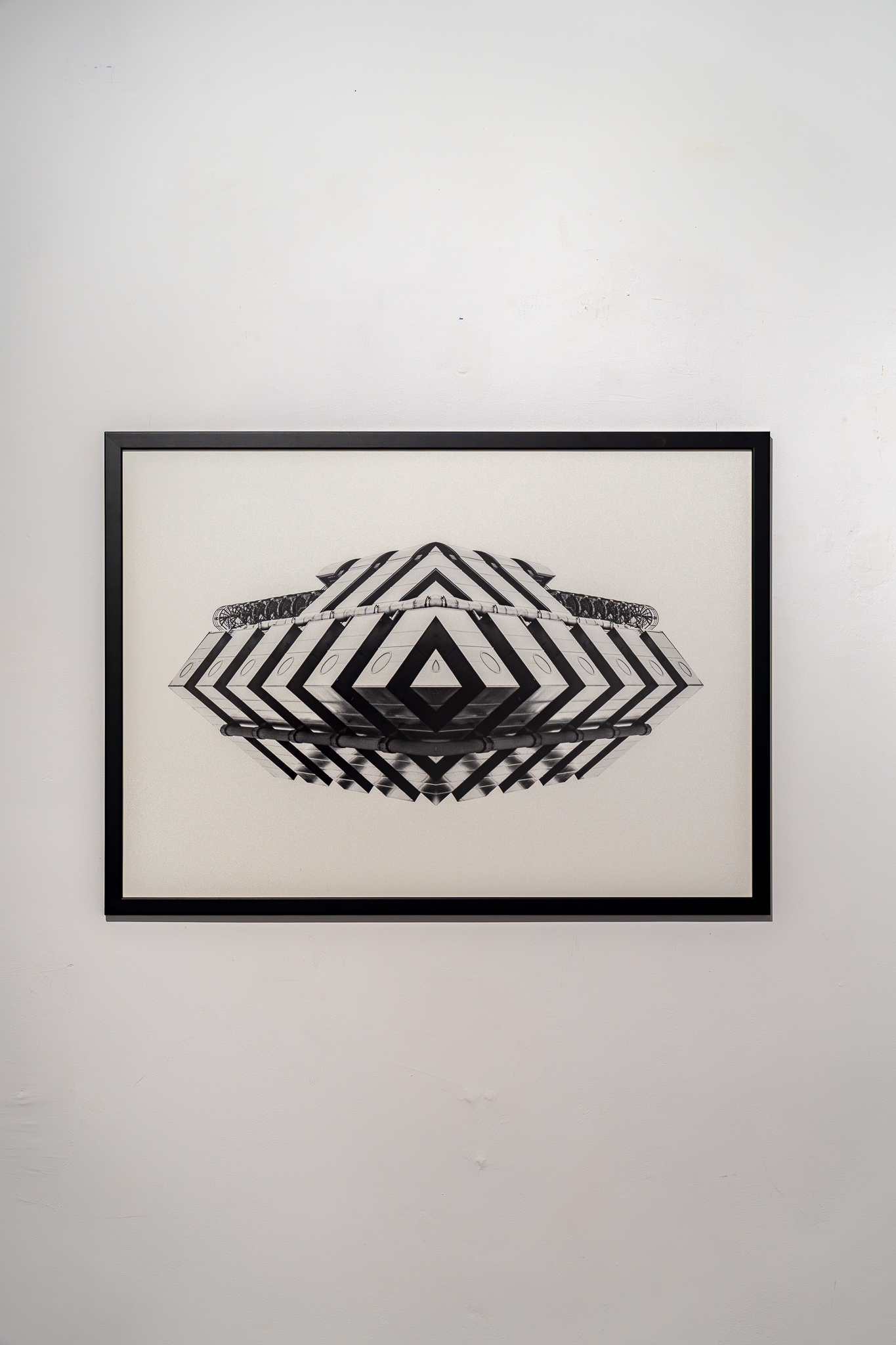
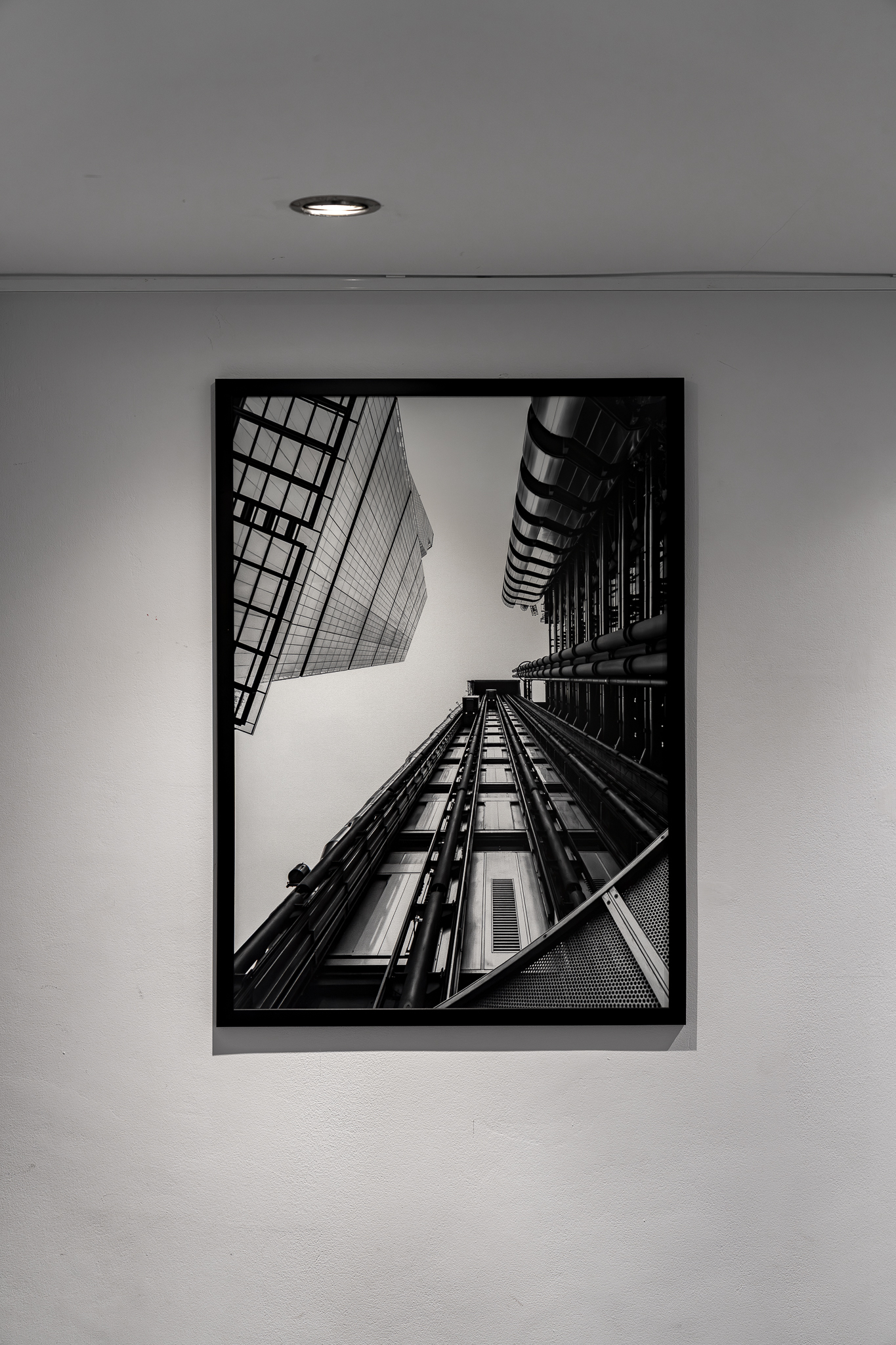
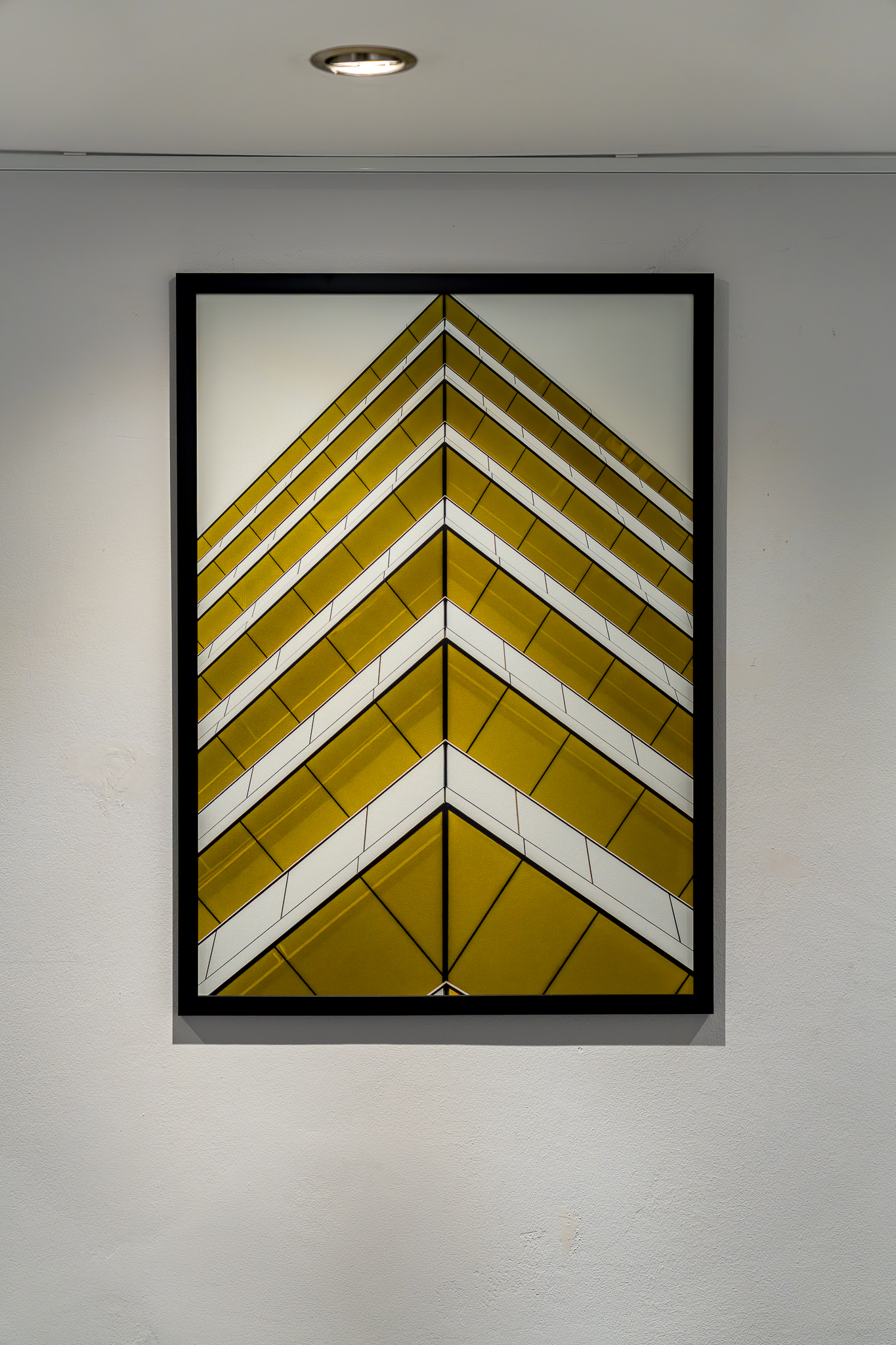
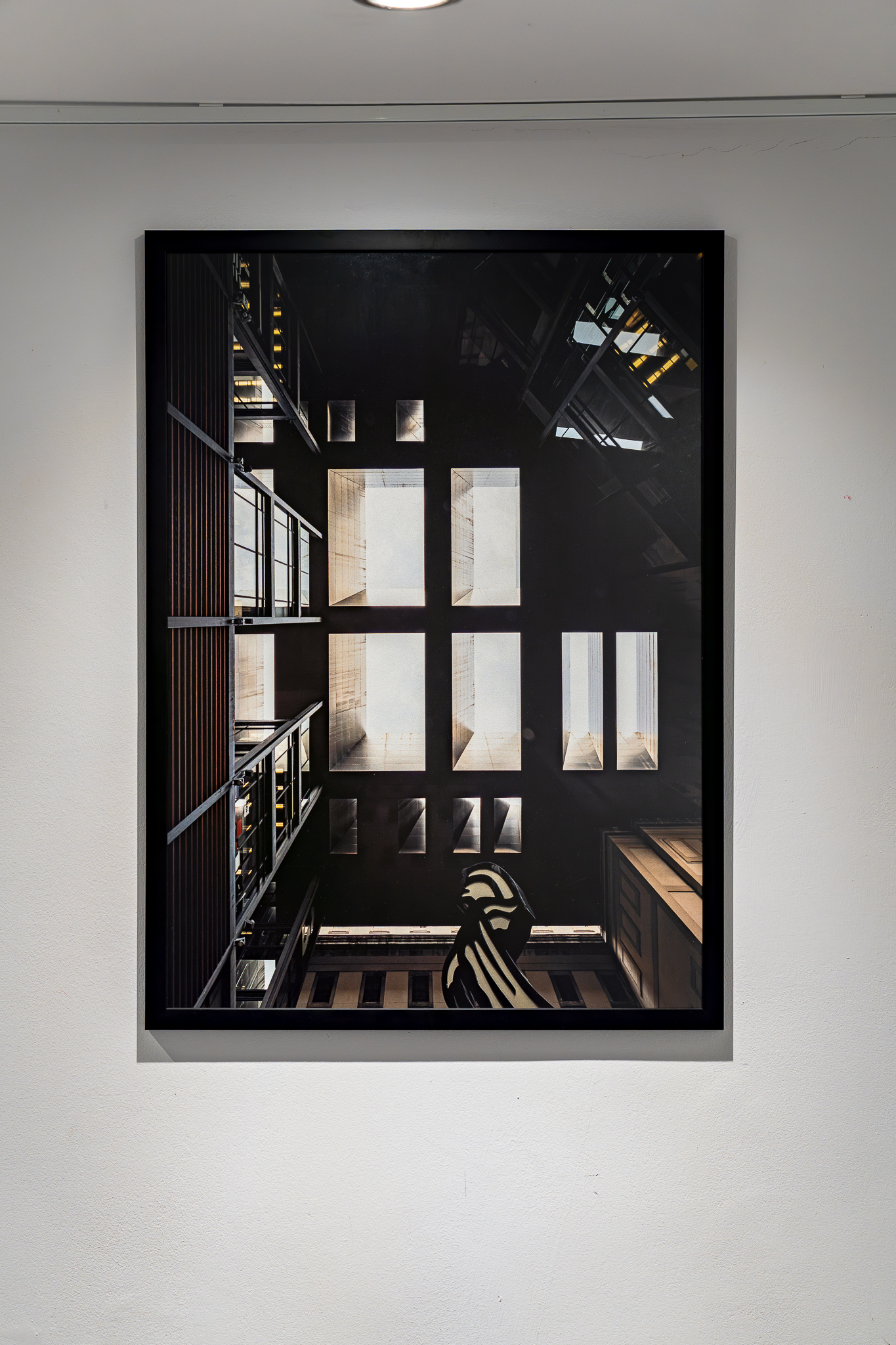
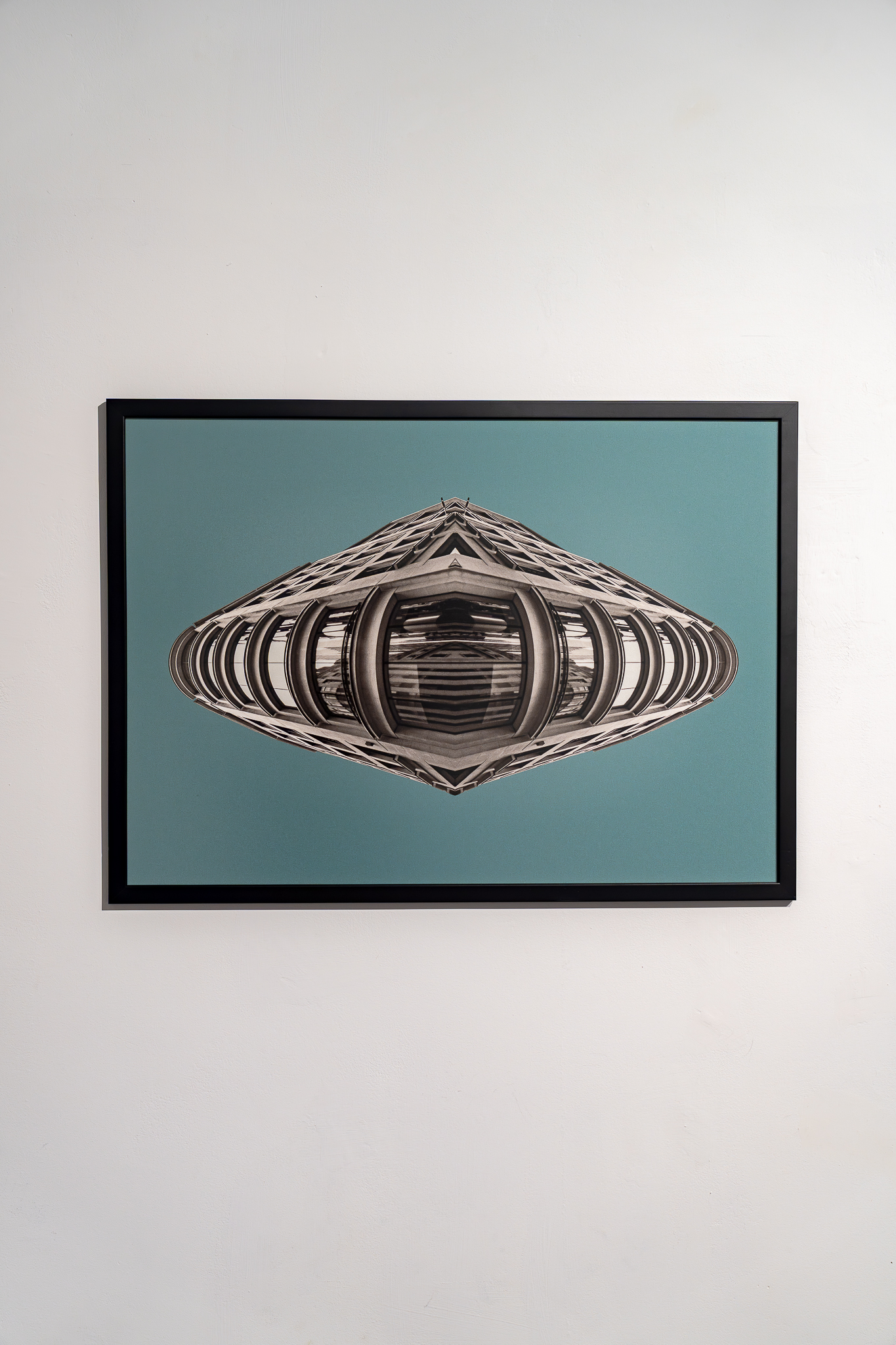
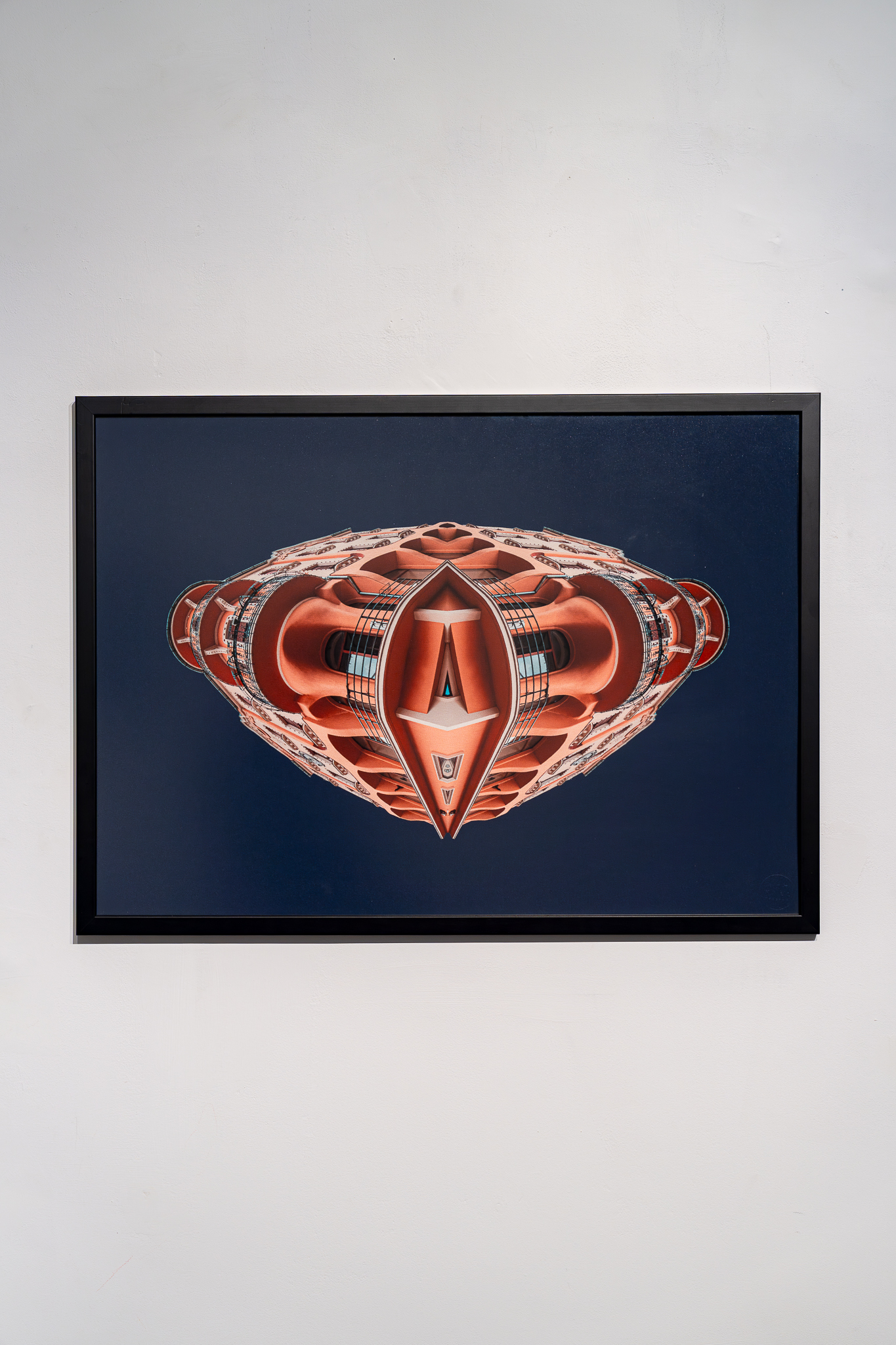
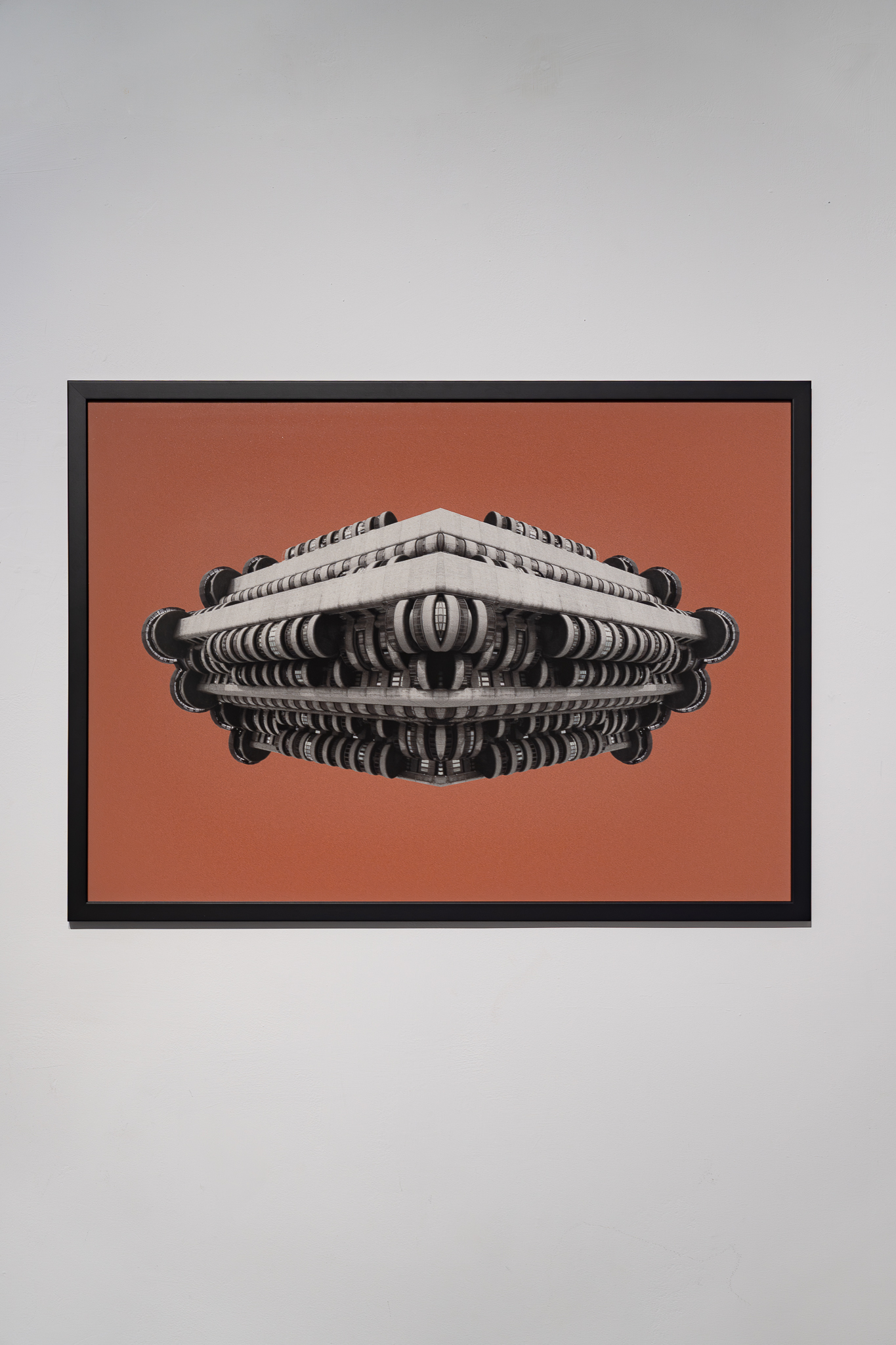
This fine art photography collection, Equilibrium, is not merely a display of urban landscapes…. Every photograph in this collection serves as a meticulous exploration of the tension and perfect balance between rigid architectural forms, intricate details, and imposing volumes.
The concept of symmetry acts as the foundational blueprint of the exhibition. In these frames, symmetry transcends its basic geometric definition to become a profound metaphor for order in a chaotic built environment. The triangle, with its inherent structural strength, becomes the central motif, guiding the viewer through compositions that simultaneously evoke unyielding permanence and visual dynamism.
„Symmetry is not just a reflection. It is a structural metaphor for stability.”
— Curatorial notes
Familiar Forms, Unfamiliar Volumes.
Each image is drafted rather than just captured, deliberately composed to pull the observer into an optical dialogue where the intimately familiar collides with the surreal. Beyond the uncanny and fascinating surface of these mirrored compositions, the trained eye will recognize the raw materials of our daily environment: iconic facades, structural joints, and known architectural details stripped of their usual context.
“Equilibrium” presents an opportunity to dissect and rediscover the hidden order buried within the apparent chaos of urban sprawl. It demands that the viewer find a new focal point, transforming a passive observation of the cityscape into an active contemplation of mass, void, and balance.
„Recognizable facades, stripped of context and rebuilt through geometry.”
— Visual framing
The Architect's Lens in Fine Art Photography.
The translation from architectural practice to fine art photography is not a shift in profession, but a shift in medium. When a practicing architect looks through the viewfinder, the resulting image is inevitably a critique of spatial design. Drawing from a vast background in retail architecture, exhibition stand design, and interior layouts, the approach to these photographs is highly structural.
The camera acts as an analytical tool, dissecting the built environment to isolate the precise moments where light, material, and geometric order align perfectly. It is an ongoing study of the urban fabric.
Materializing the Grid.
Translating digital geometry into physical matter introduces a new layer of architectural rigor to fine art photography. When these mirrored cityscapes are printed and framed, they cease to be mere images and become tangible objects, holding physical weight and demanding presence. The gallery ceases to be a simple room and transforms into a structural extension of the artworks themselves.
The curation of the space operates under the exact same strict principles as the photographs. The negative space on the white walls is measured and deliberate, allowing each piece to command its own visual perimeter. This transition from screen to gallery elevates the viewing experience from a fleeting glance into a direct, physical confrontation with the geometry.
„A contemplative space designed to force a new perspective on the urban grid.”
— G15D Gallery, Bucharest
Finding the Anchor.
Ultimately, this exhibition is a spatial invitation. It provides a highly curated, contemplative environment that challenges the public to look at the concrete and steel of their daily lives through an entirely different lens. It is an exercise in recalibrating the eye to find the hidden anchor within the urban noise.
The discipline remains identical whether designing a physical interior or framing a digital photograph: establishing the grid, organizing the mass, and finding the equilibrium.
Same geometry. Just a different medium.

Related Posts
Under an Equal Sky: Translating Paul Barbu’s Sculptures into Photography
When you are alone for days or weeks at a time, you eventually become drawn to…


The Architecture of Mist
Last year I wrote about why booking too far in advance can be dangerous for…